Beginner's Guide to Knitting in the Round: Techniques and Tips
This article offers a thorough introduction to knitting in the round, covering essential techniques, common mistakes, and recommended projects for beginners. It emphasizes the importance of proper needle selection and provides practical tips to ensure a smooth knitting experience.
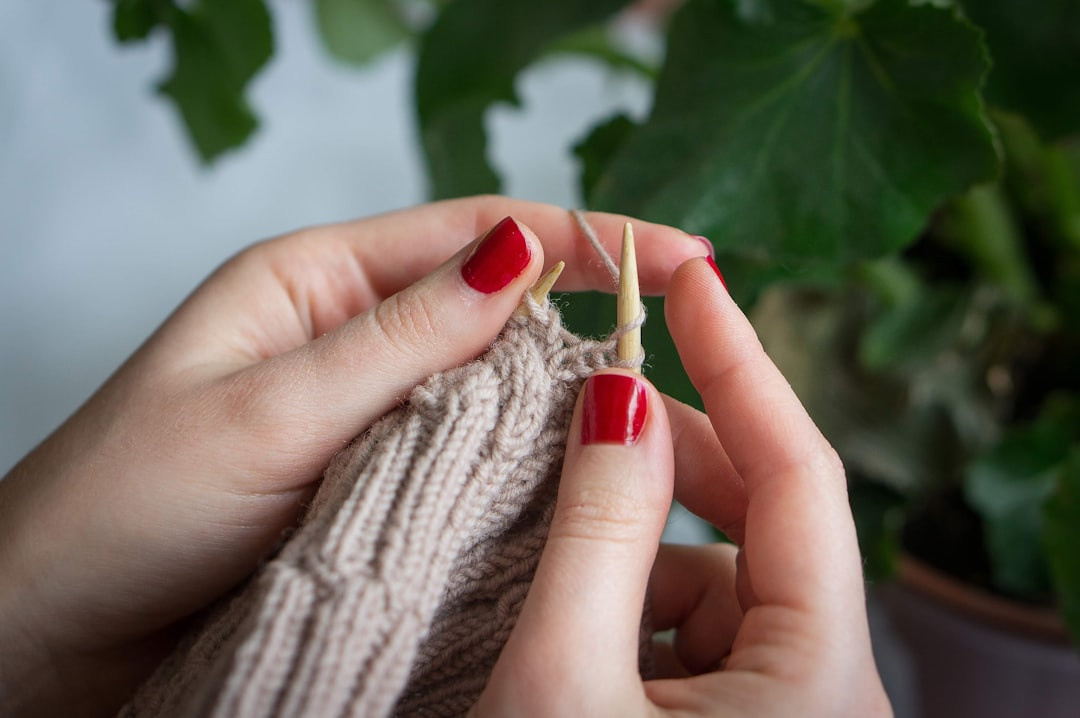
Knitting in the round allows you to create seamless tubes, perfect for projects like hats and cowls. To begin, cast on your stitches and ensure they are not twisted. Knit the first stitch off the left needle to close the circle, then place a marker to track the start of each round. For adult hats, a circular needle of 16 inches is typically used, while smaller projects may require double-pointed needles (DPNs) or the magic loop method when the circumference becomes too small for a standard circular needle.
Choosing the right needle length and size is crucial to avoid stretching or gaps in your work. Standard lengths for circular needles are 16 inches for hats and 24 to 32 inches for cowls. Beginners are advised to start with US size 8 to 11 needles, which work well with worsted or bulky yarn, making it easier to manage tension.
Common mistakes to watch for include twisted joins, laddering, and losing track of rounds. To prevent twisted joins, lay your work flat before joining and ensure all stitches face the same direction. If you notice a twist, it’s easier to fix it before you start knitting. Laddering occurs when there are loose stitches at the join; keeping consistent tension can help mitigate this issue.
Practice projects like simple beanies and cowls are excellent for building confidence in knitting in the round. These projects allow you to focus on maintaining an even join and consistent tension without the added complexity of shaping. Once comfortable, you can progress to more intricate designs that involve colorwork or shaping.
Choosing the Right Method for Small Circumferences
When your project’s circumference becomes too small for a standard circular needle, you have a few options: the magic loop method, using two circular needles, or DPNs. The magic loop method allows you to knit small tubes using one long circular needle by pulling a loop of cable between stitches. This method is popular for its versatility, as it can handle both small and large circumferences. Alternatively, using two circular needles can provide a more stable feel for medium circumferences, while DPNs remain a traditional choice for many knitters.
As you gain experience, you’ll find that mastering the join and tracking rounds will make your knitting projects much more enjoyable. Seamless construction not only saves finishing time but also produces smoother fabric, making it a preferred method for many knitters. Once you feel confident with basic joins, consider tackling crown shaping and decreases, which are essential skills for creating hats, socks, and sleeves.
On Your Needles
Before starting any project, ensure you have the right tools and materials. A checklist should include the correct yarn weight, a circular needle or DPNs in the appropriate size, stitch markers, and a tapestry needle for weaving in ends. For beginners, worsted-weight yarns like Wool-Ease are forgiving and show stitches clearly, helping to catch mistakes early. As you progress, explore different yarns and patterns to expand your skills and creativity in knitting in the round. Kits that pair yarn with patterns can simplify the process, allowing you to focus on honing your technique without the stress of gauging yardage or yarn weight.