Understanding the Eight Standard Yarn Weight Categories for Knitting
This article outlines the eight standard yarn weight categories, from Lace to Jumbo, detailing their characteristics, gauge, and best uses. It includes methods for identifying unlabeled yarns and emphasizes the importance of swatching to ensure proper yarn selection for projects.
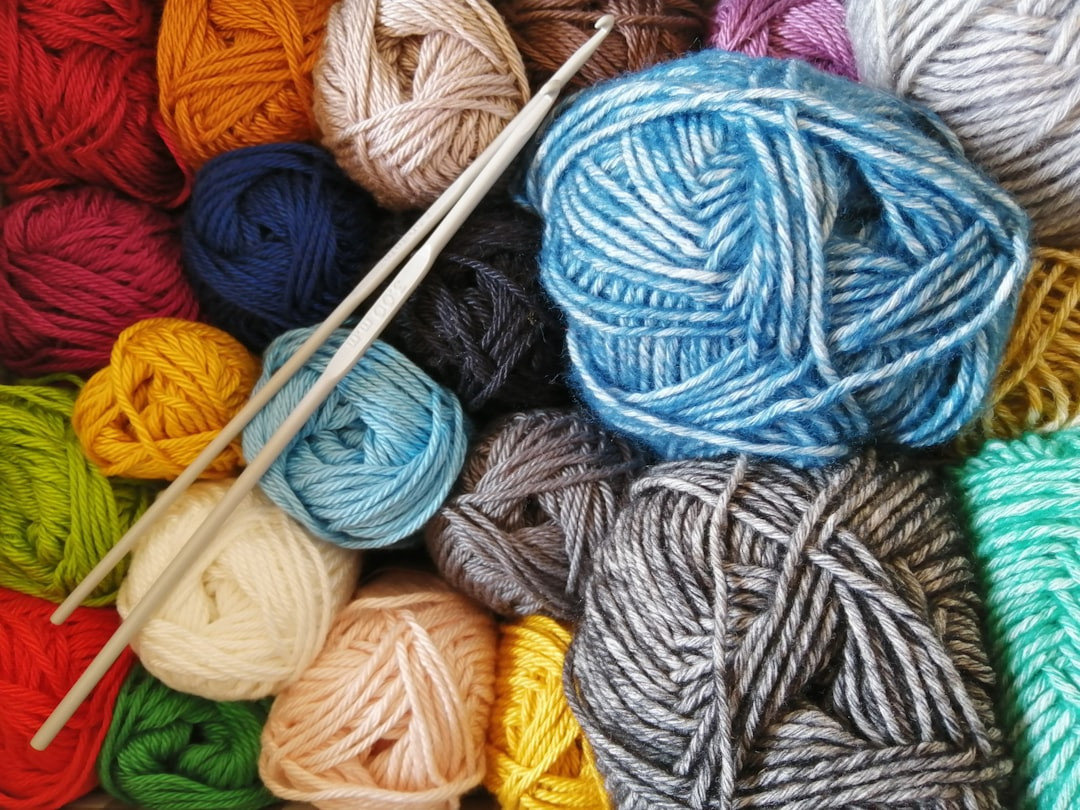
There are eight standard yarn weight categories, numbered 0 through 7, ranging from Lace to Jumbo. This guide breaks down each category with its gauge, needle and hook ranges, and wraps-per-inch measurements, along with a step-by-step method for identifying a mystery skein without a label. It also highlights Lion Brand yarns and patterns suited to each weight, making it easier to match a project to the right skein.
Most yarns can be accurately classified using wraps per inch (WPI), with 30 or more wraps indicating lace weight and 1 to 4 wraps signifying jumbo yarns. Swatching and measuring gauge are essential to confirm a yarn’s weight, as fiber density and ply structure can affect classification within categories.
Patterns for beginners generally recommend worsted weight yarn, which balances ease of working speed and stitch definition. The eight-category system ensures consistency across the industry, but fiber content and ply can cause variations that require swatching and adjustment.
Yarn from Lion Brand covers all categories, with specific options optimized for different projects, from delicate lace to oversized arm-knits.
Identifying Unlabeled Yarn
Lost the label on a skein from your stash or inherited a bag of mystery yarn? Wraps per inch is the fastest way to categorize it without a single stitch. Grab a ruler and a pencil (or a WPI tool) and wrap the yarn around the pencil snugly, laying each wrap right next to the last. Count how many wraps fit within exactly 1 inch on the ruler. Compare that count to the WPI ranges from the Craft Yarn Council: 30 to 40 or more wraps means Lace, 9 to 12 lands you in Medium/Worsted, and 1 to 4 wraps signals Jumbo.
If the yarn is textured, bouclé, or hand-spun, wrap and count at three or four different spots along the strand and average the results, since a single count on an uneven yarn can mislead you. Still unsure? Knit or crochet a small swatch using a needle or hook in the middle of the range your WPI count suggests, then measure your gauge and compare it against known category gauges to confirm.
Matching weight to project isn’t just about following a pattern’s suggested yarn; it’s about understanding how each category behaves once it’s off the needles. For instance, Category 0 (Lace) is best for shawls and doilies, where you want fabric so fine it almost floats. Category 1 (Super Fine/Fingering) is ideal for socks and lightweight shawls, while Category 4 (Medium/Worsted) is the default weight for many patterns, making it a common starting point for beginners.
Practical Applications of Yarn Weights
The Craft Yarn Council built the numbering system that the entire yarn industry now relies on. Every major yarn label, pattern designer, and needle manufacturer in the United States sizes their products against these eight categories, making this yarn weight chart a valuable resource. However, the chart is a guideline, not a guarantee. Your personal tension ultimately determines the finished fabric, which is why swatching is crucial.
A wide range of yarn is available spanning all eight standard categories, from delicate lace to jumbo arm-knitting skeins. Notable options include Hometown for super bulky projects, Wool-Ease for versatile medium weight, and Fishermen’s Wool® Yarn for classic outdoor garments. By understanding these categories and their applications, knitters can make informed decisions that enhance their crafting experience.