Why Merino Wool is the Perfect Choice for Knitters
Merino wool is celebrated for its warmth, comfort, and adaptability, making it an ideal choice for knitters in both cold and warm weather. This article explores the unique properties of merino wool, including its softness, odour resistance, and moisture-wicking capabilities, while also discussing its care requirements and potential drawbacks.
As winter approaches, many knitters are reaching for their cozy jumpers and snug base layers, and merino wool is often at the top of their list. Known for its remarkable warmth and adaptability, merino wool is a versatile choice for unpredictable weather. But what sets this wool apart from others?
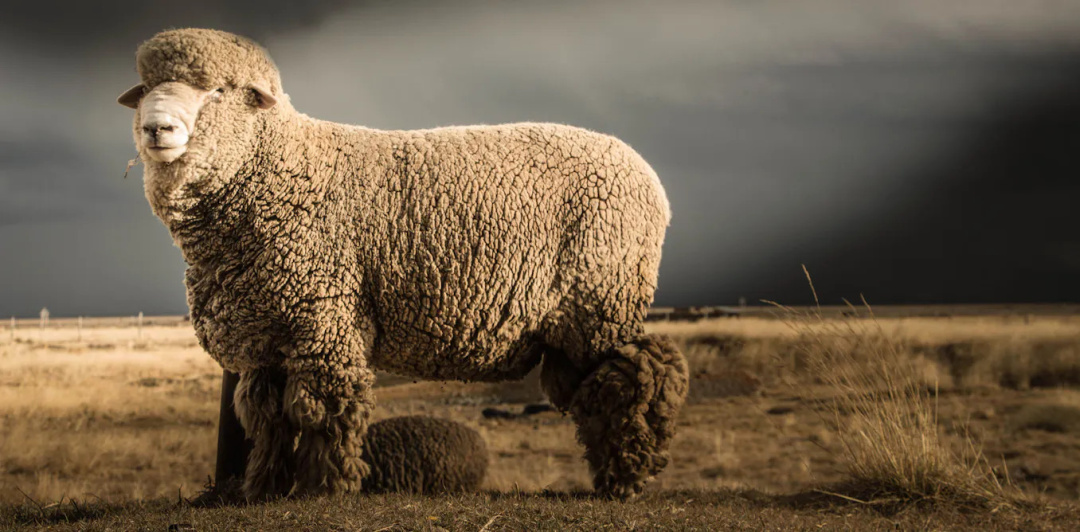
Merino wool originates from Merino sheep, a breed renowned for producing exceptionally fine wool fibers. The Spanish Merino, in particular, has a rich history dating back to Roman times on the Iberian Peninsula and is considered the progenitor of other Merino breeds worldwide. This long-standing tradition of selective breeding has resulted in wool that is not just any wool; it is a premium material prized for its softness and quality.
The unique characteristics of merino wool stem from the diameter, length, and curvature of its fibers. Unlike many other types of wool, merino fibers are finer, which directly correlates with the comfort and softness experienced when wearing garments made from this material. However, it is important to note that wool quality can vary even among Merino sheep, leading to a spectrum of softness and performance within what is categorized as merino wool.
Another appealing aspect of merino wool is its natural odour resistance. While wool does not eliminate bacteria, it creates an environment that is less hospitable for them, helping garments maintain freshness for longer. This is particularly beneficial for active knitters who may wear their creations for extended periods. Merino wool effectively manages moisture, absorbing and releasing it to keep the wearer dry and comfortable, making it suitable for both chilly and warm conditions.
Despite its many advantages, merino wool is not without its challenges. It can be pricier than cotton or synthetic materials and often requires more delicate care. Additionally, some individuals may prefer plant-based fibers for ethical reasons. Furthermore, while merino is generally softer than traditional wool, it can still cause itchiness depending on the garment's construction and the wearer's skin sensitivity.
Caring for merino wool is relatively straightforward. It does not require frequent washing due to its natural resistance to odour; airing it out between wears is usually sufficient. When cleaning is necessary, a gentle wash with mild wool detergent in cool or lukewarm water is recommended, followed by flat drying away from direct heat. Avoiding wringing or tumble drying is crucial to prevent damage to the fibers.
Merino wool strikes a beautiful balance between warmth and lightweight comfort, making it a beloved choice among knitters. With its ability to regulate body temperature and resist odours, it’s no wonder that merino continues to win the hearts of those who craft with yarn. Whether you’re creating a winter sweater or a lightweight summer top, merino wool is a fantastic option that offers both functionality and comfort.